Do You Really Need to Count Calories to Lose Weight After Menopause?
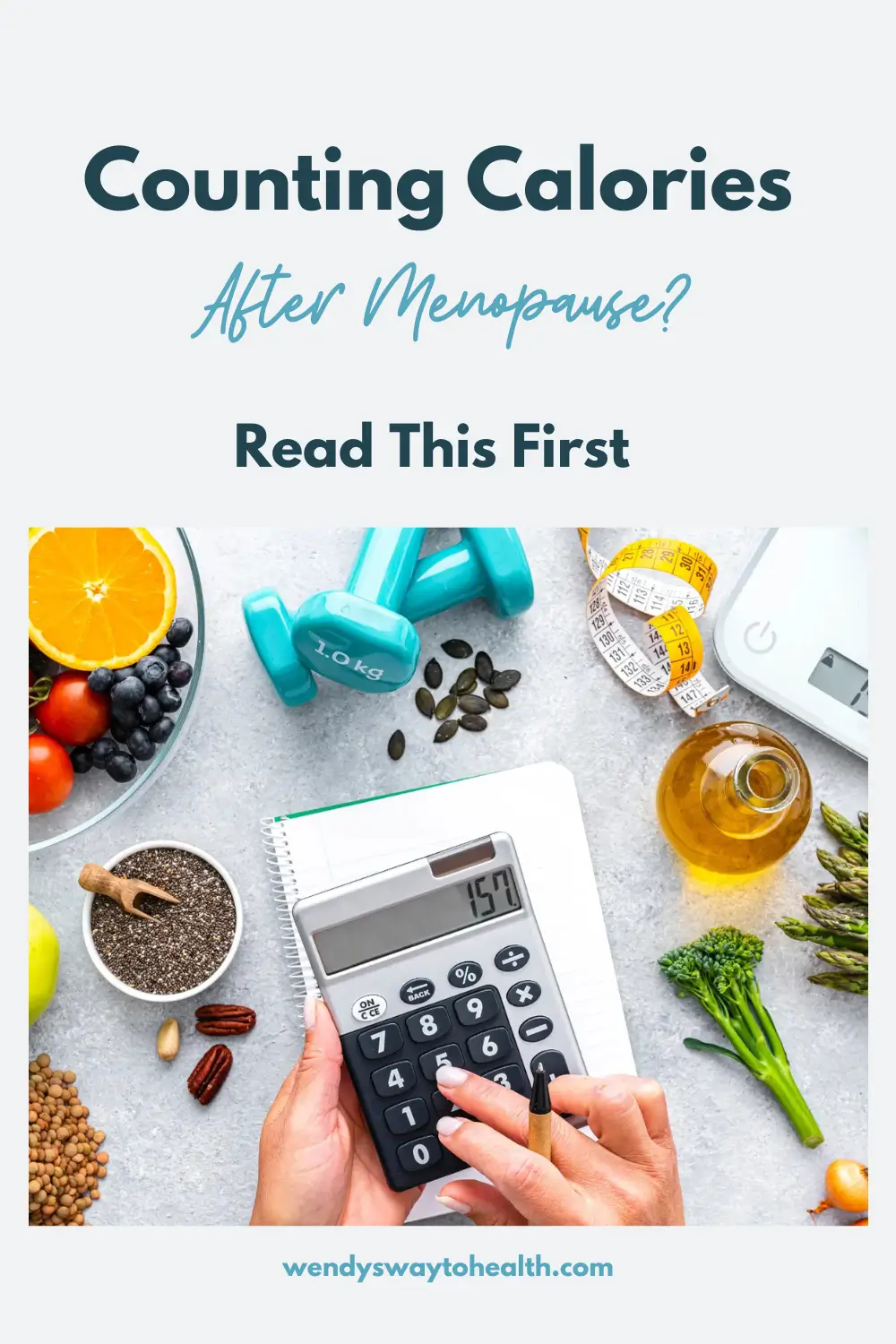
If you’ve spent years trying to lose weight, as most post-menopausal women have – there’s a good chance you’ve counted calories at some point.
Maybe you’re tracking now.
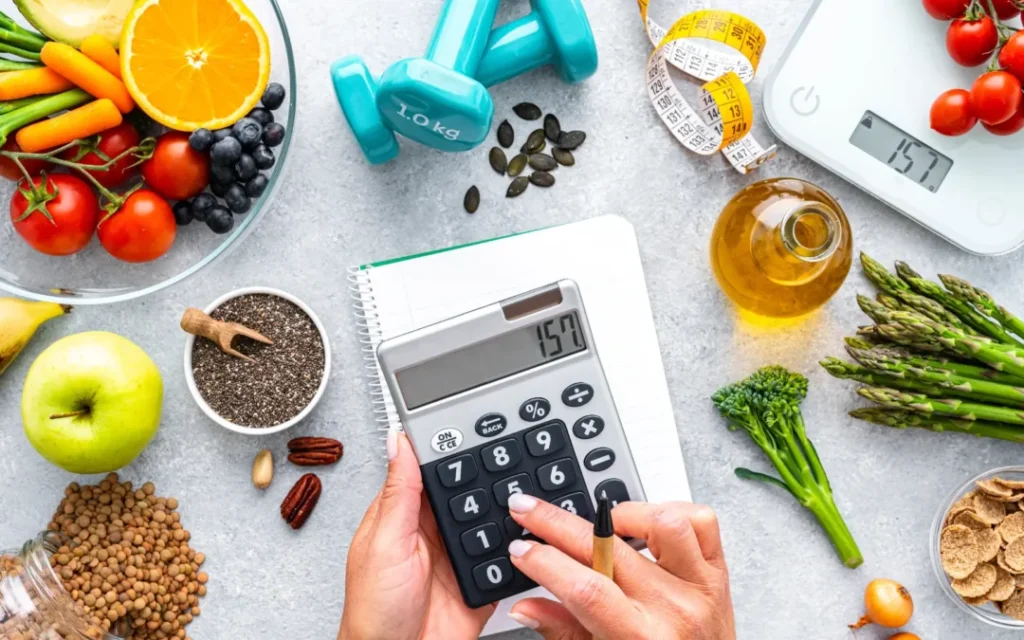
You open an app, enter your age, height, current weight, activity level and goal weight and it gives you a number to aim for each day.
It sounds sensible, doesn’t it?
And at first, it can feel reassuring. You’ve got a target, a way to measure what you’re doing and something concrete to follow.
But it can pretty quickly morph into a complicated maths equation.
You check the numbers before deciding what to eat. You feel pleased when you stay under your allowance and frustrated when you go over it.
And if the number on the scales doesn’t move in the direction you want it to, the obvious answer seems to be cutting the number a bit lower.
Look, I understand why calorie counting feels like the logical thing to do, especially if you’ve spent decades being told that weight loss is simply about eating less and moving more.
But have you ever stopped to think about whether you really do need to count calories to lose weight?
The truth is you don’t.
That doesn’t mean calories are irrelevant. And it doesn’t mean tracking is always wrong or never useful.
It means a calorie number can only tell you so much.
It doesn’t tell you whether a meal will properly satisfy you and support your energy levels.
And it ignores other important things you need to consider when caring for your post-menopausal body.
Your body’s not a spreadsheet. It’s a living breathing system that responds to far more than a calorie equation.
So let’s look at what calories really tell us, why counting them isn’t the same as understanding your body, and what you can pay attention to instead.
First, let’s clear something up: calories do matter
A calorie is simply a unit of energy. Your body gets energy from the food and drinks you consume, and uses it to keep you alive and functioning.
If, over time, your body takes in more energy than it uses, some of that excess energy will be stored. If it takes in less than it uses, then your body needs to draw on stored energy to make up the difference.
That’s the basic principle of the energy balance equation, and menopause doesn’t make it irrelevant.
But this is where the usual “calories in, calories out” advice makes things sound far simpler than they really are.
Your body isn’t a calculator with a fixed number of calories going in and a predictable number coming out.
The amount of energy you use can change according to your body size and composition, activity levels and everyday movement.
Your appetite, food choices and ability to follow a plan can also be affected by sleep, stress, health conditions and medication.
And when you consistently eat less over time, your body doesn’t just carry on using energy at exactly the same rate. It adapts.
So yes, losing body fat involves an energy deficit.
But that just describes what’s happening when your body uses more energy than it takes in. It doesn’t tell you the most helpful or sustainable way to make that happen.
More importantly, it doesn’t mean you need to spend every day weighing ingredients, logging numbers or constantly thinking about food.
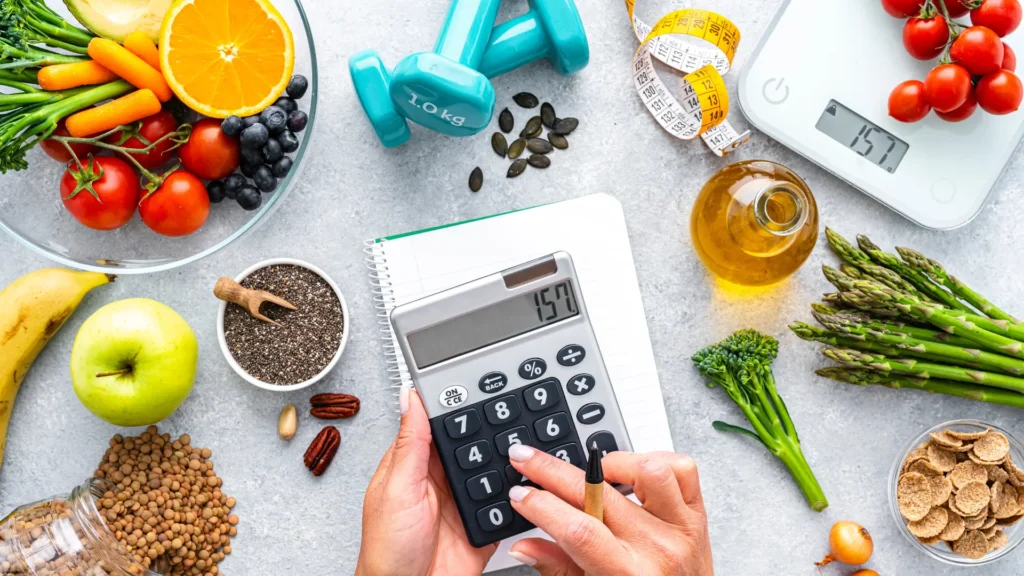
What calorie counting can – and can’t – tell you
Calorie tracking can be useful.
It can give you an awareness of your portion sizes. And it can help you notice patterns, or make you more aware of the extras that are easy to overlook.
Sometimes, that information is helpful and neutral. But it’s important to understand that the numbers are still estimates.
The calorie target your app gives you is based on formulas and averages. The food entries depend on serving sizes, database information and how accurately everything is logged.
And the calories your watch or exercise machine at the gym says you’ve burned may not be completely accurate either.
The numbers can look very precise without actually being precise.
More importantly, your daily total doesn’t tell you much about the quality or nutrient balance of what you’ve eaten.
Two meals can contain a similar number of calories and affect your appetite, energy and satisfaction very differently.
A smaller meal might fit neatly into your allowance but leave you hungry again soon afterwards. A more balanced meal with protein, fibre-rich carbohydrates and healthy fats may contain more calories, but keep you satisfied and steady your energy for much longer.
An app also can’t tell you whether you have enough energy to exercise and recover. Or how your eating habits are affecting your cravings and relationship with food.
These are some of the things I ask my clients and members to pay attention to, because they give us far more useful feedback than a calorie total alone.
Calorie counting gives you one kind of information.
The mistake is expecting that one number to tell you everything you need to know.
Why eating less can become a problem after menopause
When weight loss slows down or stops, the usual response is to eat less.
You reduce your portions, skip a meal or look for lower-calorie versions of the foods you usually eat.
That might reduce your calorie intake, but it can also reduce the protein, fibre, healthy fats and other nutrients your body needs.
And after menopause, that matters more than ever.
As we get older, maintaining muscle becomes more difficult. Losing weight can also mean losing some muscle alongside body fat – especially if you’re not paying attention to protein or doing some strength training.
Unfortunately that’s what happens when ‘skinny’ is the main goal.
Muscle supports your strength, mobility, metabolism and ability to stay active as you age. So preserving it needs to be part of your weight-loss strategy, not something you think about later.
The number on the scales reflects your total weight, not just body fat. So ideally, you want to maintain your muscle and energy levels as you reduce excess body fat.
That requires looking at the nutrient balance of your meals, not just the total number of calories in them.
Is tracking helping you, or controlling you?
After everything I’ve said so far, it might surprise you to know that I don’t automatically tell my clients and members to delete tracking apps if they’ve been using them.
Because tracking may be helping them notice useful patterns and make more informed choices.
But if it leaves them feeling anxious, preoccupied or disconnected from their body, I suggest trying a different way of observing their eating habits.
What to pay attention to instead
If you’re not counting calories, you still need a way to decide what and how much to eat.
This is where structure and body awareness work together.
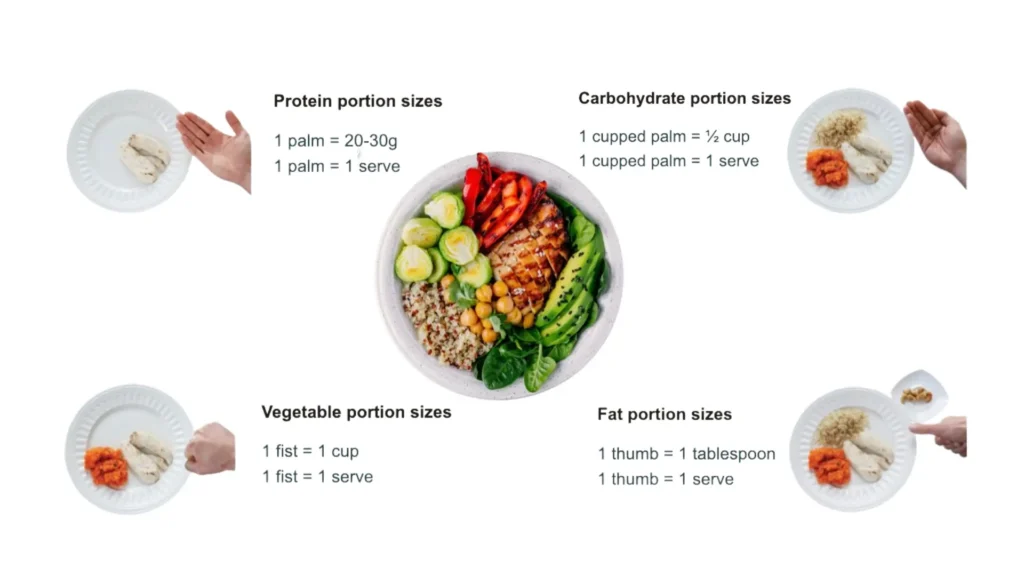
With my clients and members, I use a Simple Plate Formula as a starting point.
At most meals, aim to include:
- a good source of protein
- fibre-rich, complex carbohydrates
- healthy fats
- and fruit or vegetables.
You can use your hand as a flexible portion guide, rather than weighing and measuring everything.
It’s simple enough to use with all kinds of meals, and the portions can be adjusted according to your appetite, activity and other needs.
And pay attention to how your body responds.
Ask yourself:
- Did that meal satisfy me?
- Did I feel comfortably full afterwards?
- Did it give me steady energy?
- How long was it before I felt genuinely hungry again?
- Did I have enough energy to exercise and recover?
- Am I experiencing fewer cravings or thinking about food less often?
The video below explains the Simple Plate Formula and how to use hand portions.
How mindful eating can replace counting calories
Mindful eating is an important part of Attuned Eating. It simply means being present enough to notice your hunger before you eat, your enjoyment of the food while you eat, and stopping when you feel comfortably satisfied.
Instead of logging the meal and judging it afterwards, you’re gathering useful feedback while you eat and in the hours that follow.
Over time, this can take the place of calorie tracking – you’re tracking patterns and responses instead of numbers.
Look for patterns. If you’re regularly hungry again soon after breakfast, perhaps breakfast needs more protein or needs to be a bit bigger.
If your energy drops every afternoon, look at the balance and timing of your earlier meals.
And when a meal leaves you satisfied, energised and able to get on with your day without thinking about food, that’s useful information too.
This is the foundation of what I call Attuned Eating – using simple nutritional structure, then listening to the feedback from your body.
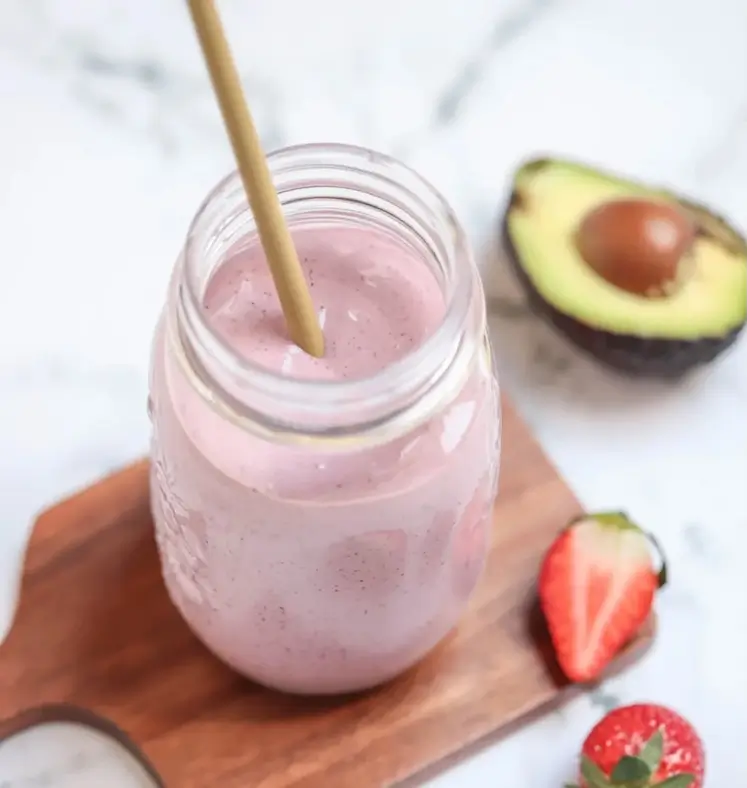
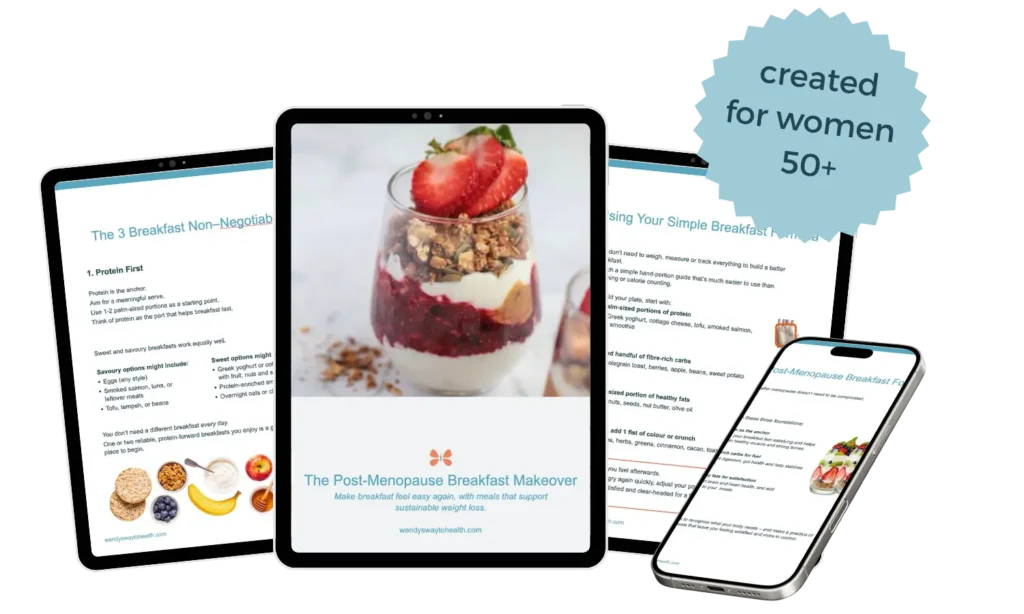
It’s also the approach I introduce in the free Post-Menopause Breakfast Makeover, because breakfast is an easy place to begin practising it.
So, do you need to count calories?
Put simply: no, you don’t.
Calories do matter, and tracking can give you information. It’s just that it doesn’t give you the whole picture – and it shouldn’t be the only way you make decisions about food.
Ultimately, you want to feel confident building meals that nourish and satisfy you, not just meet a number.
That confidence develops when you combine a simple nutritional structure with paying attention to your body’s responses.
What keeps you satisfied, supports your energy, helps you train and recover properly.
And what allows you to get on with your day without constantly thinking about food.
Try this simple breakfast experiment
Breakfast is a good place to start putting this into practice.
For one week, instead of judging your breakfast by its calorie total, pay attention to the balance and how it makes you feel.
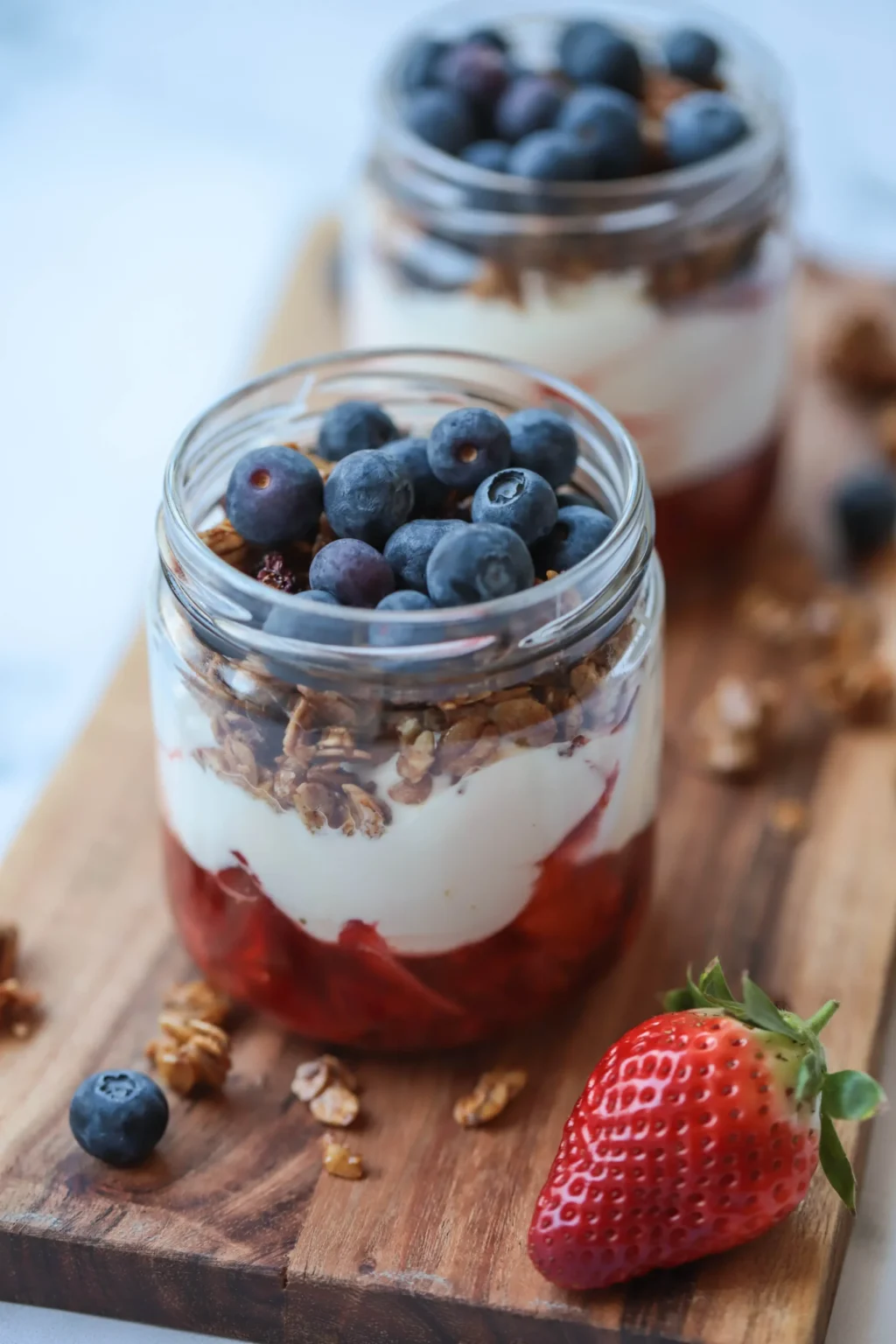
Use the free Post–Menopause Breakfast Makeover guide to build your breakfast with a source of protein, fibre-rich carbohydrates and healthy fats ⤵️
Then notice:
- how satisfied you feel afterwards
- how steady your energy is through the morning
- when you naturally become hungry again
- and whether you experience fewer cravings or thoughts about food.
Click the button below to download yours now.
And if you’d like to learn more about how you can work with me inside the Better than Ever Collective to achieve your health and weight loss goals, have a look at the information page:
Learn more about Better than Ever