9 simple truths about weight loss and dieting
When it comes to weight loss, dieting and healthy eating, there are, sadly, lots of beliefs still in existence that simply shouldn’t be. They’re based on outdated research and studies that have now been proven to be wrong.
You know that saying about doing the best you can with what you have, and when you know better, do better?
We should all apply that to our health.
We’ve learned a lot about nutrition in the last 40-50 years, but we’ve still got a long way to go. And rather than getting frustrated by the constantly changing media headlines, I choose to look at it as a learning experience to be excited about.
What we’re learning now about our microbiome and gut health, for example, and how it relates to our overall health, I find absolutely fascinating.
Of course, you need to have trustworthy sources you can rely on. Check that articles you’re reading have creditable references and independent studies to back up their claims. In other words, don’t just blithely believe what pops up in your Facebook newsfeed!
You are responsible for your health, no one else.
Don’t worry, though, you don’t need to be a nutrition expert, that’s my job!
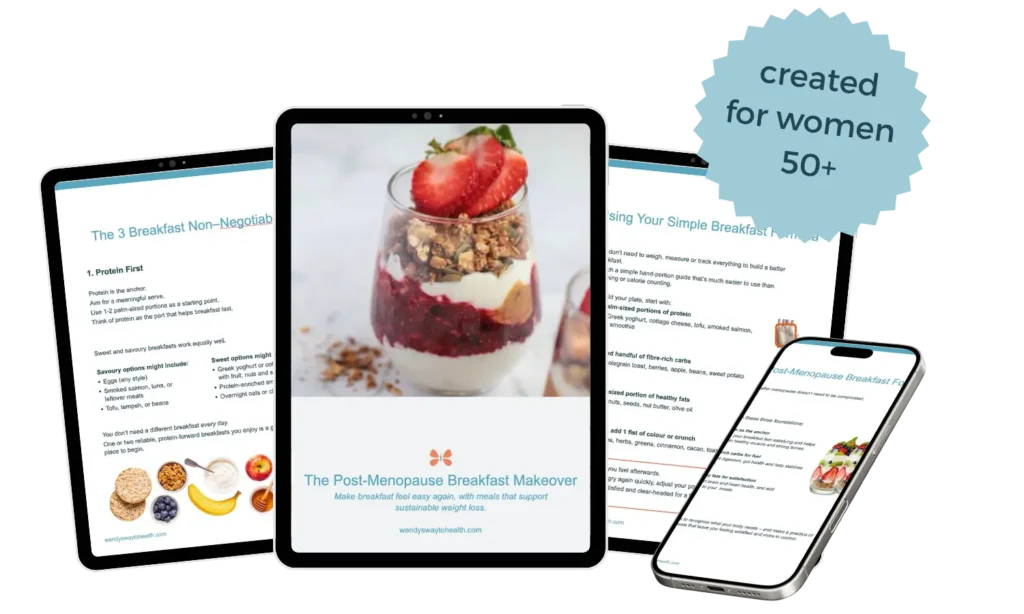
If you’re post-menopausal, you might like my free Post-Menopause Breakfast Makeover — it’s a simple way to start eating in tune with the way your body works now.
Truth #1. Dieting is not the answer to long-term weight management.
Think about any diet you’ve ever been on, how’d it end up? If you’re like most people, you probably lost weight initially and then regained it (and maybe even some more) when you returned to ‘normal’ eating.
Diets initially seem to work because they usually involve some kind of restriction, we eat less and we start to lose weight. Unfortunately, it’s not as simple as the calories in vs. calories out equation.
The problem with most diets is that they aren’t a sustainable, long term solution. Especially once you’re over 50.
Read this next: THE NEW RULES FOR WEIGHT LOSS AFTER MENOPAUSE
The bottom line is that dieting isn’t a long-term solution.
Aim to find a healthy eating style with foods you enjoy, and that make you feel good.
“One simple thing you can do to immediately improve your health, is to eat more fruit and vegetables every day.”
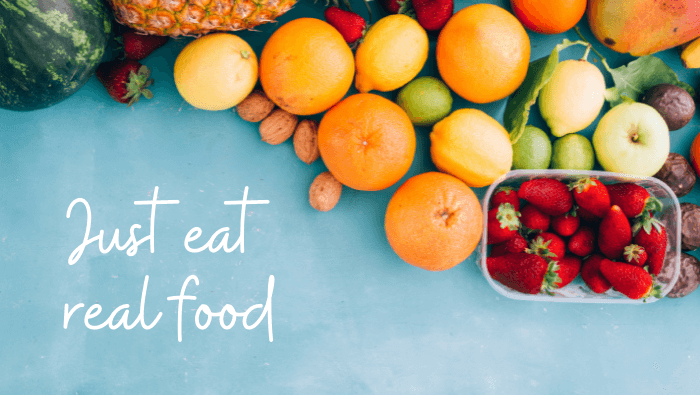
Truth #2. Real food is the key to good health and weight management.
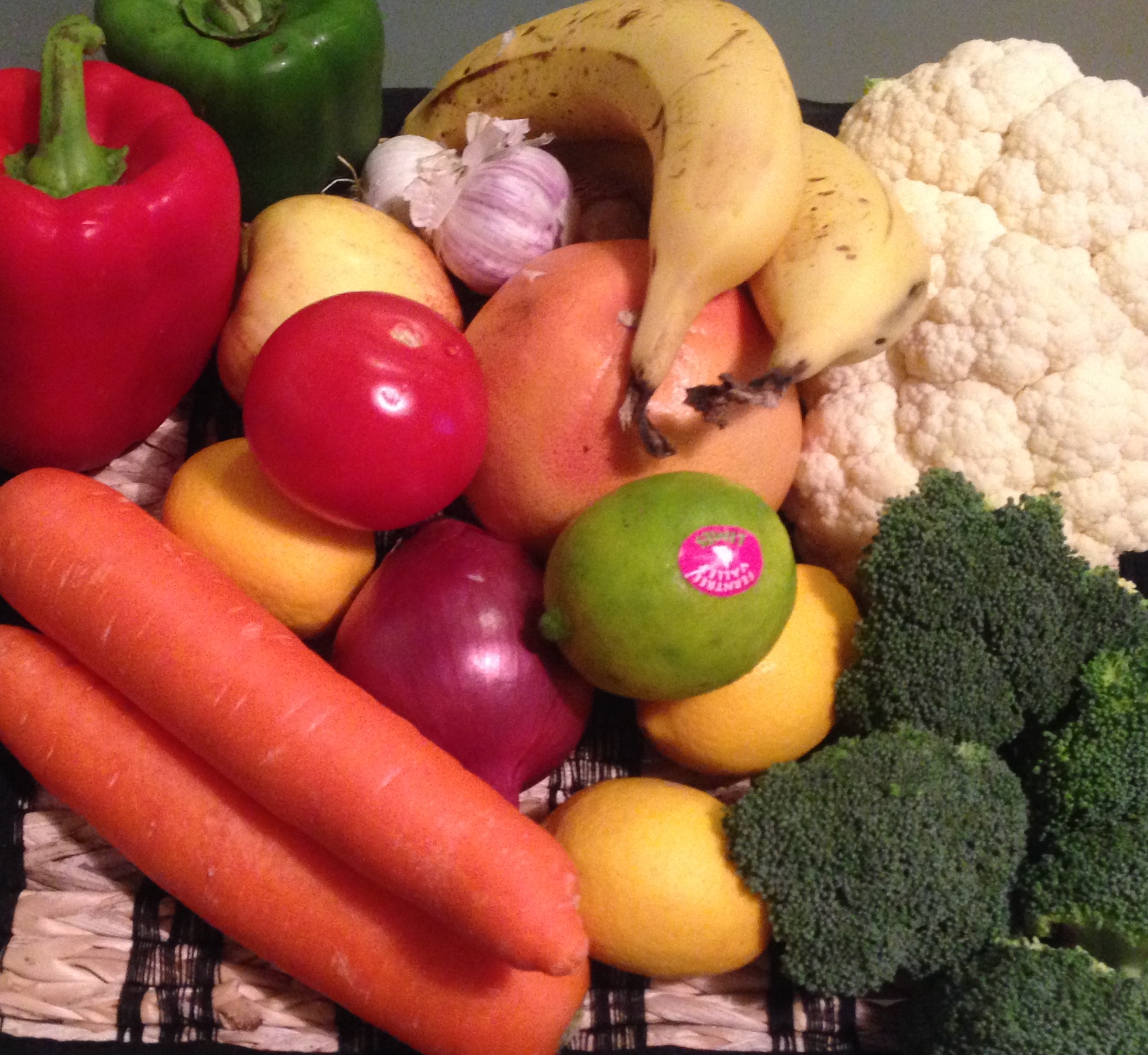
I know it sounds simple, and really it is. Doing it is the hard part! What I mean by real food is simply unprocessed, whole foods that are as close to their natural state as possible.
Single ingredients like fruit and veggies, meat and fish, or dishes you’ve made yourself using single ingredients.
If you want to do one thing to immediately improve your health, start eating more fruit and vegetables every day.
And read this post: 5 HORMONE-FRIENDLY FOODS TO BEAT BELLY FAT AFTER MENOPAUSE
Truth #3. You can’t trust food packaging.
Understanding food labels is an absolute necessity these days – if you want to stay healthy, that is.
Food manufacturers just want to sell us their products, and they know we’re looking to buy healthy foods.
That’s why they make exaggerated or misleading claims on the packaging. One of the biggest culprits is the good old ‘low fat’ label.
‘Low fat’ does not necessarily equal healthy.
What it often means is that the product is loaded up with sugar, and other not-so desirable ingredients to replace the fat that’s been removed. You’ll usually find the “full fat” option is a healthier choice.
Remember what I said earlier about being responsible for your own health? To lose weight and be healthy, you need to know exactly what you’re eating, and how much of each ingredient is in the product you’re buying.
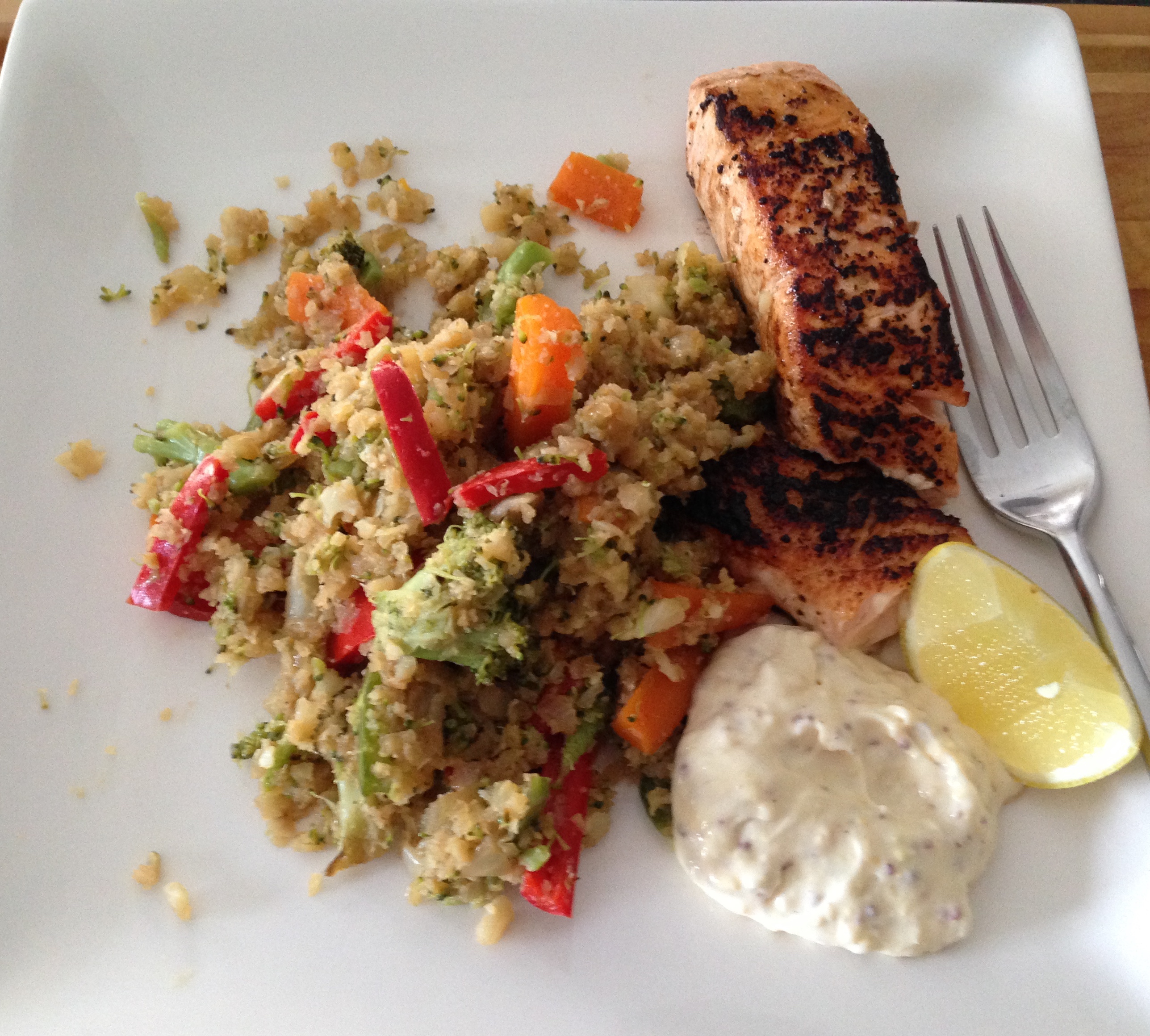
Truth #4. Fat and cholesterol won’t necessarily make you fat.
We were led to believe in the past that all fat is bad, especially saturated fat. However, there is plenty of evidence now showing that saturated fats, in small amounts, are not as harmful as we used to think.
And natural dietary cholesterol doesn’t affect your blood cholesterol levels in the ways it was once thought. This is one reason why there’s been a revision on the advice about how many eggs we can eat in a week.
There is such a thing as healthy fats.
And they won’t cause you to gain weight when consumed in small amounts every day. They’re actually essential for our brain, skin and other tissues to function well.
The most common sources of saturated and monounsaturated fats are butter, olive oil, coconut oil, avocado and nuts.
“We need to consume healthy fats every day.”
Truth #5. Refined and processed oils are not healthy.
Margarine and most vegetable oils are very high in Omega 6 fatty acids, which can lead to inflammation in the body.
More concerning though, is that these polyunsaturated oils are susceptible to oxidisation, both on the shelf, and inside your body. I mean, ewww, why would you want to do that to your body?
And, as part of their processing, these oils often contain trans fats, which has been associated with many serious health problems.
If you want to keep things simple: buy extra virgin olive oil, in glass bottles. It’s a great multi-tasking oil that you can cook with, bake with, and drizzle on salads.
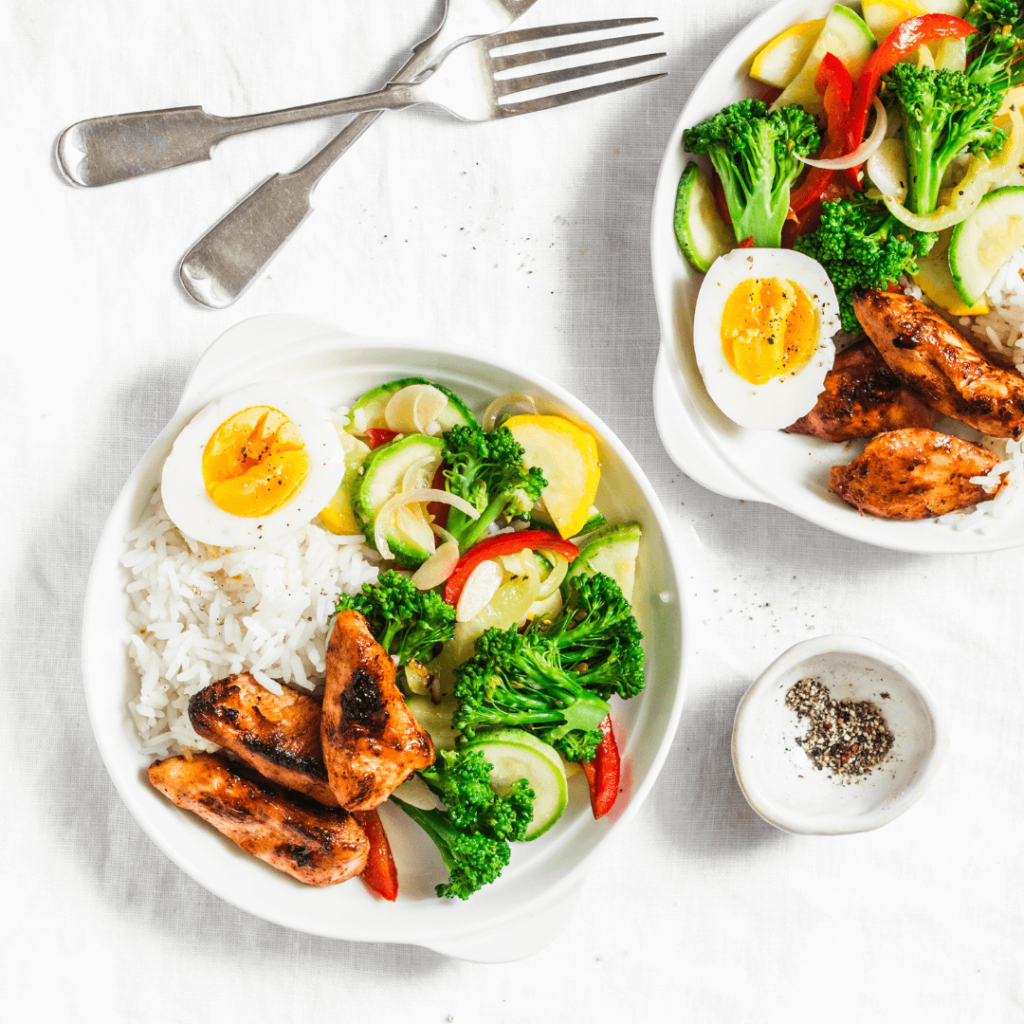
Truth #6. Carbohydrates aren’t evil, and you don’t need to avoid them at all costs.
Carbs can get a pretty bad rap these days, when it comes to talking about weight loss and healthy eating.
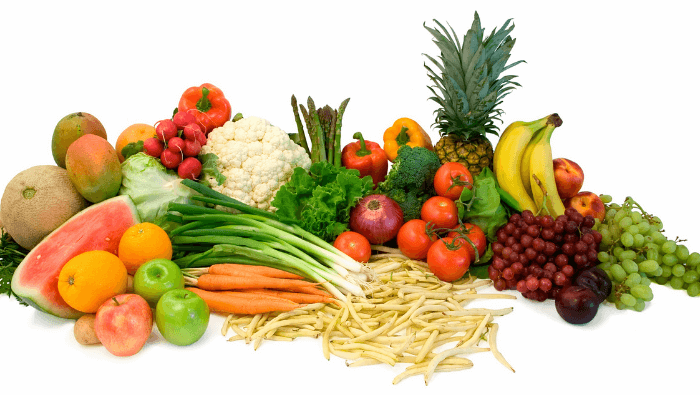
The truth is that fruit & veggies and whole grains (which are carbs) are really important for good health.
Believe it or not, potatoes and bananas are not harmful to your health, and they won’t make you fat. Unless you eat them by the truckload, that is.
The carbs you want to steer clear of, and only consume in small amounts, are the refined carbs found in processed foods. Foods like white bread, cakes, pastries, crisps/potato chips, ice cream, etc.
You’ll find that these processed foods also contain the oils and trans fats mentioned above, that I recommend avoiding.
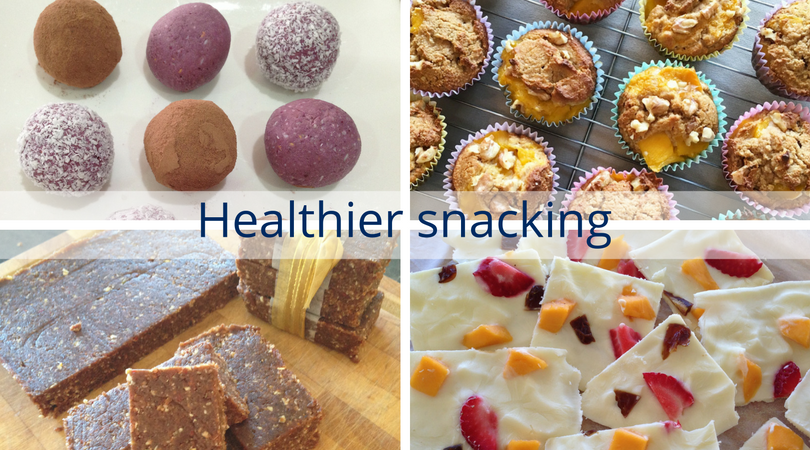
If you can’t imagine life without snacks, don’t worry I get it, I can’t either! Just make your own.
I’ve got loads of great recipes HERE ON MY BLOG that only use good quality ingredients and they taste great too.
Check out my PINTEREST BOARDS for lots more great recipes and ideas.
Truth #7. Eat protein, carbohydrates and fat at every meal.
Eating a balanced diet makes sense, right? So the fact that cutting out, or severely restricting an entire food group can be harmful to your health, means it’s not something to be undertaken lightly.
Ideally you should be eating a balance of protein, carbohydrates and fats with every meal; the right kind, and in the right amounts, of course.
Eating the right amount of protein will help build and maintain muscle mass, among other things. Carbohydrates, fruit, vegetables and whole grains provide energy, both for immediate use and to store in the body for later use.
As I said above, healthy fats are essential to keep our brain, skin and other tissues in optimal health.
There are a LOT of eating styles and plans around out there, so look around, and choose with care. Remember, we’re all different. What works for you may not work as well for someone else, and vice versa.
Check qualifications & sources, don’t be afraid to ask questions, and ask for proof, valid studies and research to back up any claims being made.
“Cutting back on your sugar intake isn’t as easy as it once was.”
Truth #8. Consuming excessive amounts of sugar is not a good idea.
Unless you’ve been living under a rock, I’m sure you already know this. The problem though, is that most people don’t realise how much sugar they’re actually consuming on a daily basis, as there are many hidden sources.
Cutting back on your sugar intake isn’t as easy as it once was. Removing sugar from obvious sources, by not adding it to your daily coffee, or cutting out soft drinks is a great place to start.
There are literally hundreds of places that sugar hides these days though, and in many different forms. Take some time when you’re at the supermarket next and read the labels of the packaged products you buy regularly.
I guarantee you’ll be surprised, if not shocked, by how many products contain sugar, and the amounts.
If you have kids, I suggest you spend some time in the cereal aisle, looking at the cereals and bars that are targeted towards kids and labelled ‘whole grain’ you’ll find that very eye opening.
Truth #9. You don’t need to be a cardio bunny to lose weight.
I know I don’t need to tell you that exercise is an important part of weight loss and living a healthy lifestyle. Did you know though, that your exercise doesn’t need to be ALL cardio?
In fact, spending hours and hours walking, or on the elliptical machine at the gym, isn’t the best use of your time.
Doing just one type of exercise all the time, whatever it is, besides being boring and hard to stick to, is also not ideal if having a healthy body is your end goal.
Strength training is important for so many reasons, and it will help you burn fat too. More muscle = a higher metabolism.
This becomes even more important as we age, and our muscles naturally begin to atrophy.
What’s best for most people is a mixture of HIIT: high-intensity interval training, combined with strength training, and LISS – low impact, steady-state cardio.
For the best results, get some expert help if you can from a qualified trainer.
Start with these simple, menopause friendly workouts:
Trying to lose weight?
The free Post-Menopause Breakfast Makeover shows you how to build satisfying breakfasts that support weight loss – without calorie counting, boring diet food or tiny portions.
Your body’s changed. A smaller bowl isn’t the answer.
Click the button below to grab yours now.
Don’t forget to pin it for later!