
The New Rules for Weight Loss After Menopause
Working with Your Changing Hormones
If you’re a woman over 50, you probably already know how frustrating it can be to gain excess weight, no matter how healthy your diet is, or how much you exercise.
Are you finding that the weight loss strategies that worked for you in the past aren’t giving you results anymore?
It’s because your body goes through significant hormonal changes during and after menopause that affects how you store and burn fat (among other things.)

Yes, it can be disheartening, but the good news is that once you understand how to work with your changed physiology instead of continuing to battle against it, you’ll be back in control.
I’m a firm believer that knowledge empowers us to make informed decisions. So read on and get yourself back in the driver’s seat!

Understanding the Hormonal Changes That Come With Menopause
I’m sure you already know that estrogen levels decrease during and after menopause, but its role extends beyond just being a sex hormone.
Estrogen plays a role in the function of many of the body’s systems, and there are actually 3 types: estradiol, estrone, and estriol.
- Estradiol is the most potent and beneficial form of estrogen, and it’s predominant during our reproductive years. Estradiol significantly drops during menopause.
- Estrone is the primary form of estrogen present after menopause. It’s weaker than estradiol but can contribute to increased inflammation and belly fat.
- Estriol is the weakest form of estrogen. It’s more abundant during pregnancy, and plays a minor role post-menopause.
So as estrogen levels start declining, it’s not really surprising that we experience so many changes, is it?
As estrone becomes more prevalent, we experience changes in fat distribution, most notably increases in belly fat, increased sensitivity to insulin and increased inflammation.
These changes also negatively affect our gut health.
A healthy gut microbiome is vital for overall well-being and the proper functioning of most of the body’s systems, including the immune and digestive systems.
Hormonal changes can disrupt gut health, influencing hunger and satiety signals, which complicates weight management efforts.

The Old Ways Won’t Cut it Anymore
Restrictive diets that focus on severe calorie restriction or eliminating entire food groups can backfire after menopause.
Instead of losing fat, you may experience muscle loss and a slower metabolism.
Standard calorie counting and low-carb diets often fail to address the specific needs of women over 50, such as the need for more protein and fibre to manage hunger and maintain muscle mass.
Related post: Why calorie counting isn’t the whole answer after menopause

The New Rules for Effective Weight Loss
Rule 1: Prioritise Protein and Fibre
You may have heard this a lot lately, and there’s a good reason for that!
Protein helps maintain and build muscle mass, which naturally declines with age. More muscle means a higher metabolic rate, making weight management easier.
Protein also regulates appetite and reduces cravings by increasing satiety and stabilising blood sugar levels. This is especially important if you have a weight loss goal, as it can reduce the likelihood of overeating.
Fibre adds bulk to your diet, keeping you fuller for longer and reducing overall calorie intake.
This can help you manage hunger & cravings, and control portion sizes.
Fibre aids digestion and helps maintain a healthy gut microbiome, which impacts overall health and weight management.
Fibre also flushes out excess toxins from the body, so it can help remove excess estrone.
If you’d rather watch than read, visit my YouTube channel: @wendyswaytohealth
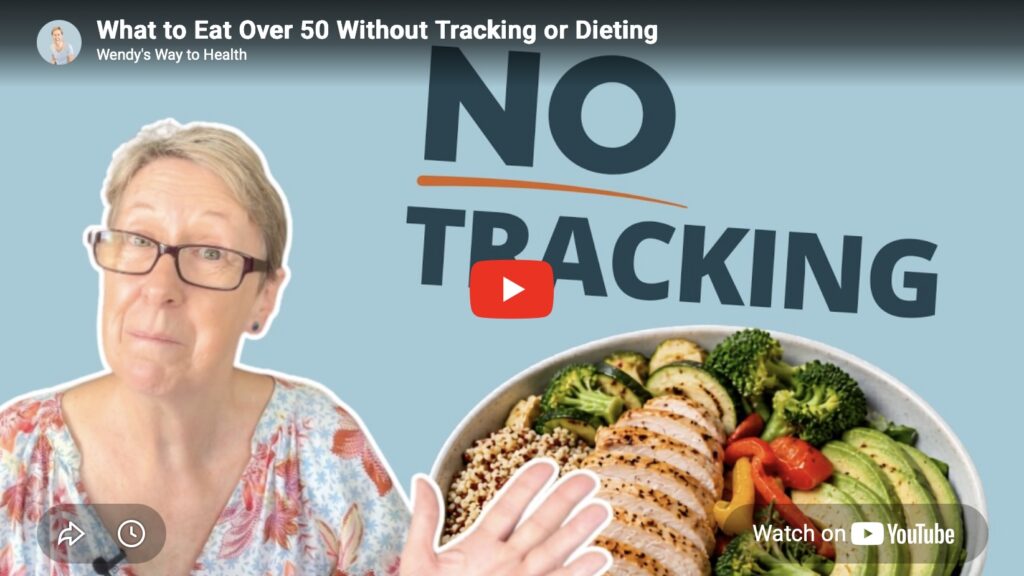
Top Protein Sources
Lean Meats: Chicken, turkey, and lean cuts of beef or pork.
Fish and Seafood: Salmon, tuna, and shrimp.
Plant-Based Options: Beans, lentils, tofu, and quinoa.
Dairy and Alternatives: Greek yoghurt, cottage cheese, and eggs.
Best Fibre Sources
Fruits and Vegetables: Apples, avocado, berries, carrots, cauliflower and broccoli.
Whole Grains: Oats, brown rice, and whole wheat products.
Legumes: Beans, chickpeas, and lentils.
Healthy Eating Habits
Beyond what you eat, how you eat matters.
Focus on mindful eating practices, such as eating slowly, paying attention to hunger cues, and being aware of emotional eating.
Aligning your eating habits with your circadian clock, and eating within a 12-hour window has been shown to be beneficial for post-menopausal women.
These habits can improve digestion, prevent overeating, and support weight management.
Practical Tips
Meal Planning: Incorporate a source of protein and fibre into every meal to increase satiety and contribute to balanced nutrition.
Snack Smart: Choose snacks that include both protein and fibre, like a handful of nuts or a piece of fruit with yoghurt.
FYI: These are all skills you’ll learn and practice (so they become habits) as you work through the Midlife Mojo Reset program, inside The Better than Ever Collective.
Related post: 5 Hormone-friendly foods to eat after menopause
Rule 2: Tailor Your Exercise Routine
As we know, our bodies undergo significant changes as we age and go through menopause.
These changes also affect how our bodies respond to exercise.
What worked before may need to evolve to meet your current needs and goals. It’s essential to tailor your exercise routine to align with your changing physiology to continue making progress.
If you’re like I was and you keep doing more, or working harder, and it’s backfiring, then the next sentence is for you!
Over-exercising can lead to increased cortisol and stress levels, which can further disrupt hormone balance and hinder weight loss.
Strength Training
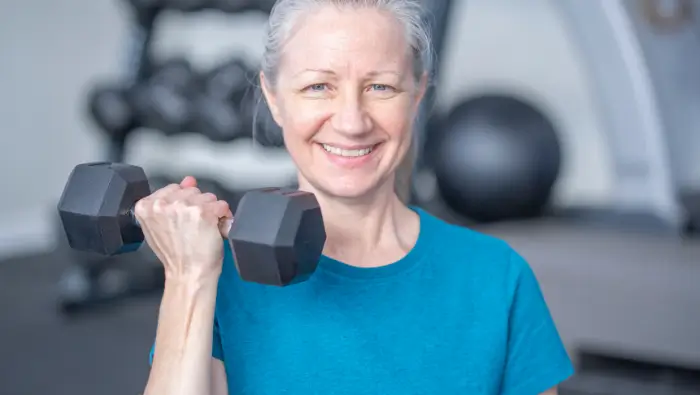
Incorporating strength training exercises into your routine is one of the most helpful things you can do to stay strong and flexible.
As estrogen levels decline, maintaining muscle mass becomes a non-negotiable for metabolism, bone density and overall health.
Aim for strength training exercises that target all major muscle groups, two to three times a week.
Cardio
Moderate cardio exercises like brisk walking, cycling, or swimming support cardiovascular health and burn calories without putting excessive stress on your body.
Sprint Interval Training (SIT) and High Intensity Interval Training (HIIT) should also be part of any post-menopause exercise routine. Just make sure you do it right!
I follow Dr Stacy Sims’ protocols for SIT and HIIT training. Check out her blog and books for more details.
Plyometrics, mobility, flexibility and active recovery are also important components of a well rounded exercise routine for women over 50.
Your goal is to create a balanced exercise routine that addresses all areas.
FYI: This is what Module 2 of the Midlife Mojo Reset program inside Better than Ever focuses on.

Rule 3: Embrace Lifestyle Changes
Successful weight management after menopause involves more than just diet and exercise; it requires embracing broader lifestyle changes that support overall health and well-being.
Prioritise Sleep
Quality sleep is essential for weight management and overall health. Poor sleep can disrupt the hormones that regulate hunger and stress, leading to weight gain.
Aim for 7-8 hours of restorative sleep every night and establish a calming bedtime routine to improve sleep quality.
Manage Stress
Finding ways to relax and manage stress effectively is essential for maintaining hormonal balance and supporting weight loss efforts.
Incorporate techniques into your daily routine, such as mindfulness, meditation, or deep-breathing exercises.
We’ll delve deeper into these lifestyle factors in future posts, providing practical tips and strategies for a holistic approach to health and weight loss after menopause.
You Don’t Have to Do It Alone
I know this can sound like a lot – and it is if you try to take it all on by yourself.
That’s why I created the Midlife Mojo Reset program. To help women just like you, who are struggling to find the answers they need to manage their weight and get back to feeling good again.
Inside the program there are 3 modules to work through over 3 weeks, dedicated to Nutrition, Exercise, Sleep, Recovery, Stress Management & Relaxation.
Plus you have access to hundreds of healthy recipes inside the recipe library, other complementary mini courses and a Community of like-minded women for support.
More details here: The Better than Ever Collective.
Trying to lose weight?
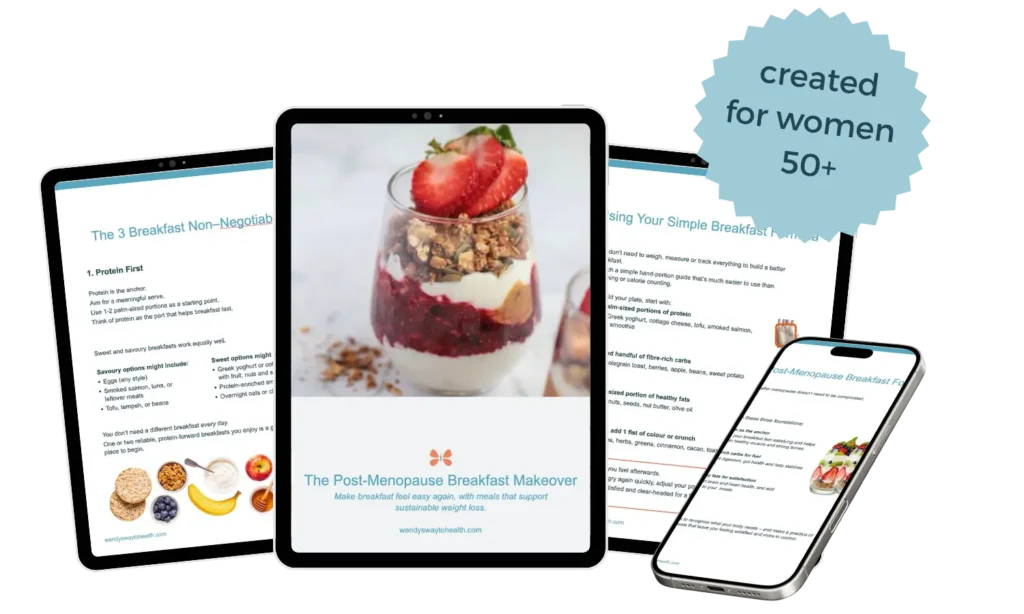
The free Post-Menopause Breakfast Makeover shows you how to build satisfying breakfasts that support weight loss – without calorie counting, boring diet food or tiny portions.
Your body’s changed. A smaller bowl isn’t the answer.
Click the button below to grab yours now.
Pin in to read later!